Get Healthy!
- Posted April 20, 2026
AIDS Relief Program Sees Drops in Testing and Diagnoses After Disruptions
New data released Friday show that President’s Emergency Plan for AIDS Relief (PEPFAR) treated about the same number of people in the last quarter of 2025 as it did a year earlier in 2024.
The program, launched in 2003 by President George W. Bush, has been recognized with saving 26 million lives worldwide.
But behind the new treatment numbers, other key measures dropped sharply after the Trump administration abruptly stopped and restarted PEPFAR activities last year, The New York Times reported.
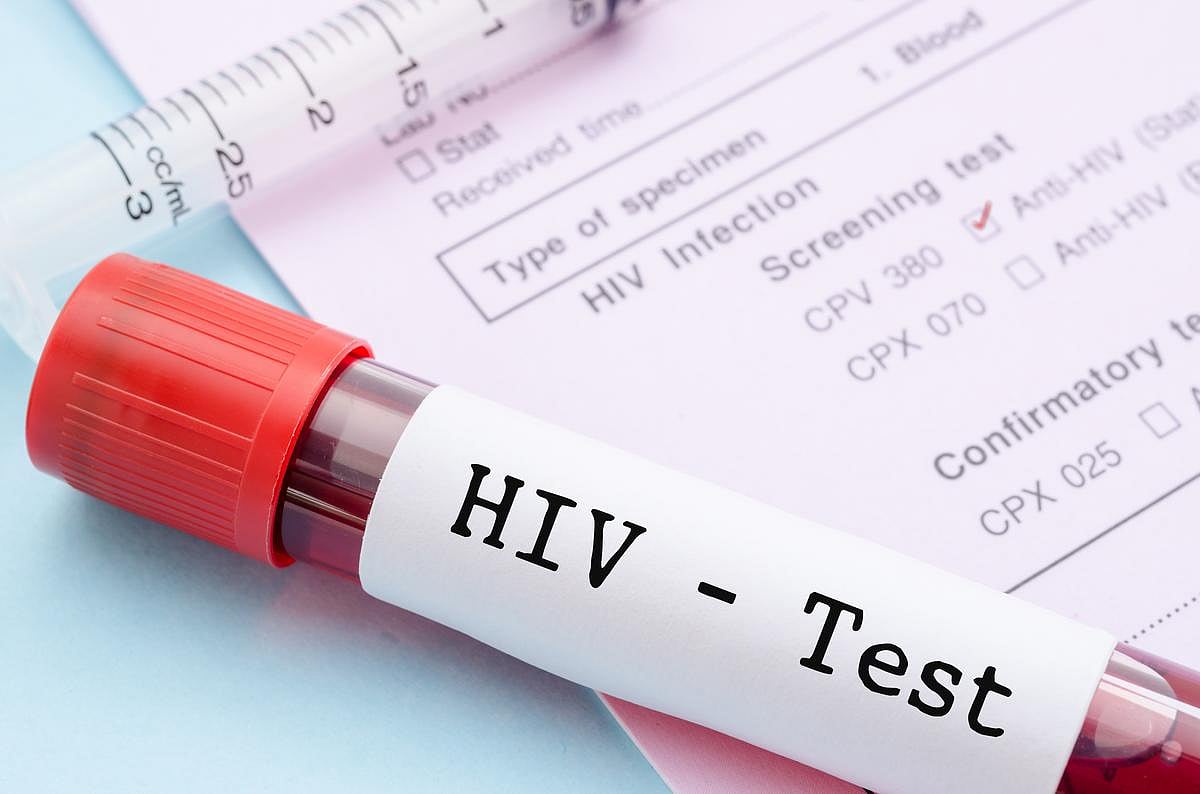
PEPFAR supported HIV testing for 17.2 million people in the final quarter of 2025, down from 21.9 million in the same period in 2024.
New diagnoses also fell, from 385,000 to 307,000. Experts say that drop was to be expected with less testing.
There were also fewer infants treated for HIV. They are typically at high risk, because the disease can progress quickly in young kids.
Some officials pointed to the overall treatment numbers as a sign of success.
“The numbers are very, very good,” Jeremy Lewin, acting under secretary of state for foreign assistance, humanitarian affairs and religious freedom, said at a conference.
Charles Kenny, an economist at the Center for Global Development, differed.
"The long-term trajectory could be back to as depressing as I thought it was going to be last year," he told The Times.
"I’m still really scared," he added.
PEPFAR faced major disruptions in 2025 after the Trump administration temporarily cut foreign aid. At one point, organizations were told to stop distributing HIV medicines purchased with PEPFAR aid altogether, even meds already in clinics.
Although testing and treatment later resumed, experts say the pause disrupted the network of clinics and workers that delivers care in many countries, The Times reported.
A separate report from the Clinton Health Access Initiative found similar trends in the first half of 2025, including a 22% drop in new HIV diagnoses and a 20% drop among infants, The Times said. The number of people taking preventive HIV medication fell by 37%.
Advocates say treatment alone isn’t enough to control the disease.
Addressing high-risk groups like young women, men who have sex with men and people who use drugs is key to slowing the spread.
“What these data show us is the deliberate unraveling of the elements of HIV prevention and treatment service delivery that are essential to actually finish the job and defeat this pandemic,” Asia Russell, executive director of the advocacy group Health GAP, told The Times.
The State Department said the report also reflects a shift toward a key tenet of the Trump administration’s foreign policy -- "country self-reliance." About 3 million people received support through national governments instead of outside groups.
But the data only covers the last quarter of 2025, which may not provide the full picture.
“We need more information flowing quarterly, completely and open to the public,” Russell explained.
More information
Learn more about the President's Emergency Plan for AIDS Relief (PEPFAR).
SOURCE: The New York Times, April 17, 2026
